Review: Hand Paw 3D Papercut Shadow Box SVG 3
As a designer who spends more time staring at stitch maps than most people spend on their phones, I approach every new digital embroidery file with a mix of excitement and skepticism. We've all been there: you download a beautiful graphic, convert it, and end up with a puckered mess or a design that loses its charm once the needle hits the fabric. That is why I took a close look at the Hand Paw 3D Papercut Shadow Box SVG 3 before committing it to any client projects. This isn't just about whether the lines look good on a screen; it's about how this asset translates into a tangible, high-quality handmade product.
First Impressions and Visual Personality
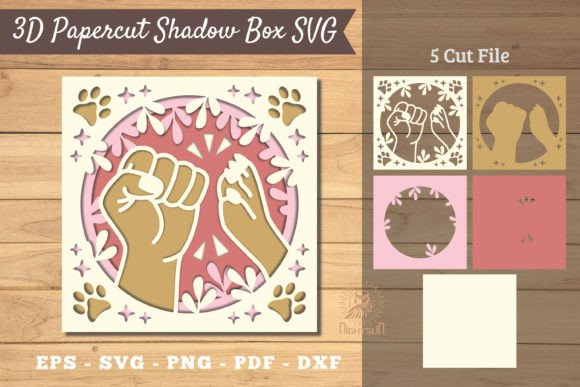
When I first opened the files included in this package—specifically the SVG for cutting and the vector formats like AI CS6 and EPS—the immediate takeaway was the clever layering inherent in the "shadow box" concept. The design relies on depth, which is a fantastic mood setter for modern craft aesthetics. It feels warm, nostalgic, and slightly whimsical without being childish. For an embroidery project, this visual personality suggests a need for careful thread selection. The layout invites texture. If you were to digitize this from the provided graphics into a machine embroidery design, the overlapping elements would naturally call for a combination of satin stitch borders and textured fill stitches to mimic the paper-cut illusion.
The shape is organic yet structured, making it versatile. It doesn't scream "baby item" exclusively, though it fits perfectly there. Instead, it holds enough sophistication for boutique home decor or a stylish custom apparel piece. The level of detail in the paw print and the surrounding frame elements suggests that this design thrives when given space to breathe. It is not a thumbnail icon; it is a statement piece.
Real-World Application: The Tote Bag Test
To truly evaluate the Hand Paw 3D Papercut Shadow Box SVG 3, I imagined a specific real-life scenario: creating a limited run of canvas tote bags for a local animal shelter fundraiser. In this context, the design needs to be durable, visually striking from a distance, and capable of withstanding frequent washing. Using the PDF or PNG files from the package as a reference for digitizing, I visualized the placement on a natural cotton canvas.
On a tote bag, the "3D" aspect of the design becomes a major selling point. By using varying thread densities, you can create actual physical depth that mirrors the digital shadow box effect. A customer picking up this bag in a shop would immediately notice the tactile quality. It elevates a simple grocery carrier into a piece of art. However, this application requires foresight. Canvas has a distinct fabric texture that can interfere with fine details. If the original graphic has very tight corners or thin lines, those might get lost in the weave of the canvas unless the digitizer adjusts the stitch density accordingly.
For a sweatshirt embroidery project, the stakes are slightly different. The fleece or French terry fabric is stretchier and thicker. Here, the Hand Paw 3D Papercut Shadow Box SVG 3 would work beautifully as a chest logo or a large back print, provided the stabilizer game is strong. The shadow layers could be rendered in tonal threads—perhaps three shades of navy blue—to create a subtle, sophisticated look that appeals to adult buyers rather than just children.
Navigating Technical Challenges
While the potential is high, there are areas where caution is necessary. The "shadow box" style implies multiple layers. In embroidery, layers mean jump stitches or trims, and potentially high stitch counts if not managed well. If you are working with a small hoop size, you might find yourself cropping out essential parts of the frame, breaking the visual continuity. Always check the dimensions of the source file against your machine's capabilities before starting.
Textured fabrics present another hurdle. On a waffle knit or a heavy towel, the crisp edges of the paw print might soften too much. This design shines best on medium-weight, stable fabrics like twill, denim, or high-quality cotton blends. If you attempt this on a stretchy jersey for a baby embroidery project, you must use a cut-away stabilizer to prevent distortion over time. Otherwise, the "3D" effect will warp into a blurry mess after the first wash.
Dark fabrics require special attention to thread colors. The contrast is what makes a shadow box design pop. If you stitch dark thread on dark fabric, the layering effect vanishes. You might need to incorporate a underlay or a backing layer in a contrasting color to define the edges, effectively creating your own shadow manually through stitching techniques.
Commercial Value and Brand Consistency
For Etsy sellers and owners of small shops, the Hand Paw 3D Papercut Shadow Box SVG 3 offers a strong foundation for branding. Consistency is key in building trust. If you use this design across a range of products—say, a matching set of a pillow cover, a tea towel, and an apron—it creates a cohesive collection that looks professional. Customers are willing to pay a premium for items that look thoughtfully designed rather than slapped together.
The inclusion of formats like DXF and SVG means this asset is also ready for hybrid crafting. You could cut the layers from vinyl or cardstock using the SVGs and then incorporate them into an embroidery hoop as a mixed-media piece. This versatility increases the perceived value of your finished product. It allows you to market your goods not just as embroidered items, but as multi-textural art pieces.
However, remember that the files provided are primarily graphics (AI, EPS, PNG, PDF). They are excellent for printable mockups to test your marketing images or for cutting machines, but they are not native embroidery files. You cannot load an AI file directly into most embroidery machines. You will need to digitize these vectors or use them as a trace template. This step is crucial for maintaining quality. A poor digitization job can ruin even the best graphic.
Practical Notes for the Serious Maker
Before running a production batch, always test the design on scrap fabric that matches your final material. Check how the running stitch outlines hold up against the fill areas. Inspect the small details, especially around the toes of the paw and the corners of the box frame. These are the areas where thread breaks or bird nests often occur if the tension isn't perfect.
Also, verify the licensing terms associated with these design assets. While the package includes everything needed for creation, commercial rights for selling the finished physical goods versus selling the digital file itself can vary. Ensure you are compliant before listing items in your craft business.
Finally, consider the end-user experience. Will this item be washed weekly? Does it need to withstand rough play? If so, reinforce the edges. The Hand Paw 3D Papercut Shadow Box SVG 3 has the potential to be a standout item in your portfolio, bridging the gap between digital precision and handmade warmth. With the right fabric, the proper stabilizer, and a keen eye for detail, it can transform a simple piece of cloth into a cherished keepsake.